The incredible story of Wanna Marchi, the biggest scammer in the history of Italian Television, and her empire of money and lies is coming September 21st, only on Netflix.
1980年代,娜奥米·坎贝尔、辛迪·克劳馥、琳达·伊万格丽斯塔和克里斯蒂·特林顿成了时尚指标人物,接着她们联手出击,超越了时尚产业。她们的声望是如此非凡,以至于这四个人能够取代她们展示的品牌,使她们的名字与设计师一样出名。 如今,这四位超模通过积极行动、慈善事业和商业才能,依然站在文化的前沿。随着时尚产业不断重新定义自身——以及女性在其中的角色——这是一个关于权力的终极故事,讲述了四位女性如何齐心协力争取权力,为后来者铺平道路。
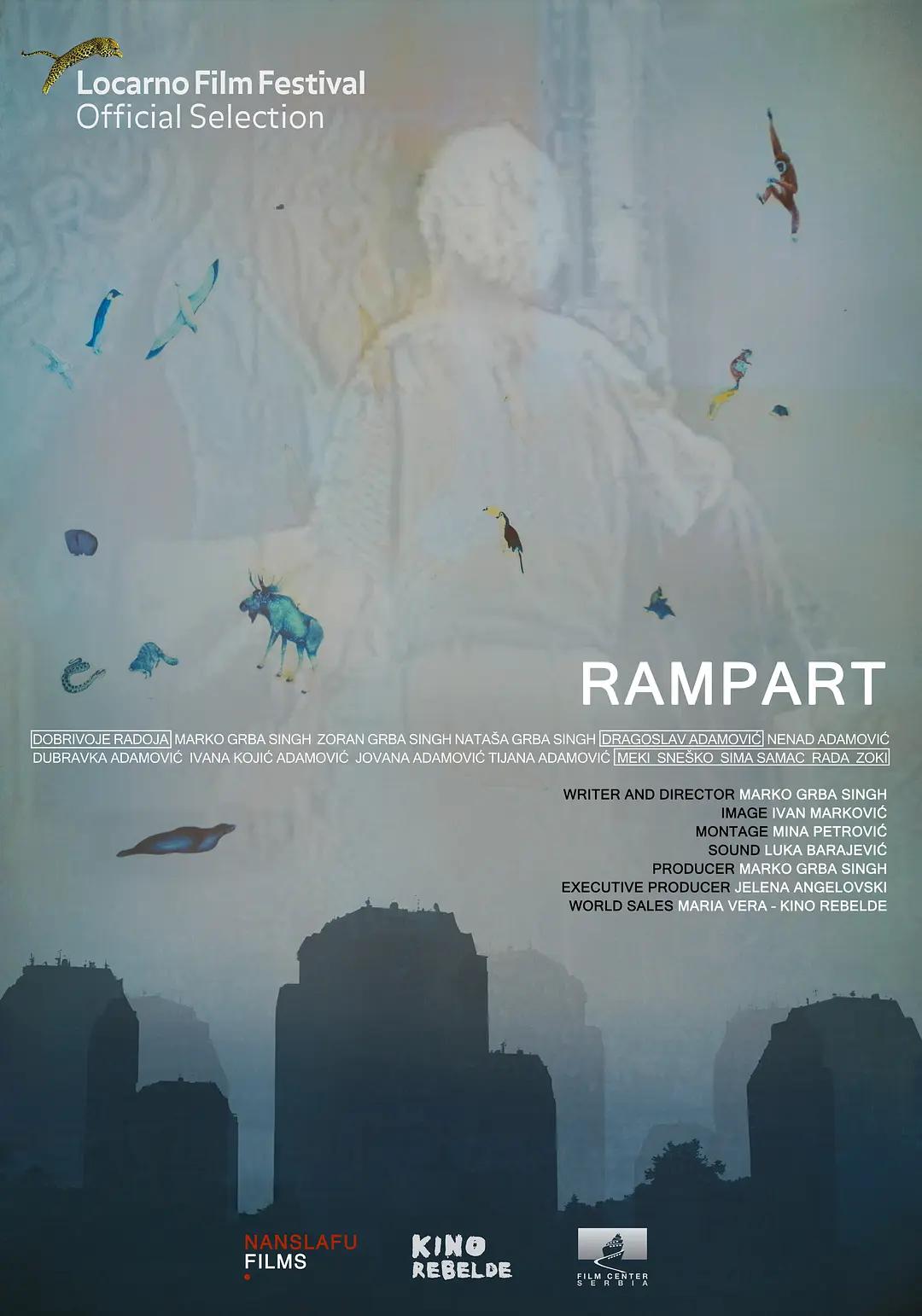
From an abandoned apartment in the suburbs of Belgrade, a persevering reminiscence of nightmares mix with the memories from childhood. A grandfather's video recorder, pets, gatherings and images from the uncertain years of 1998 and 1999 reveal a common life embraced by a historical event.
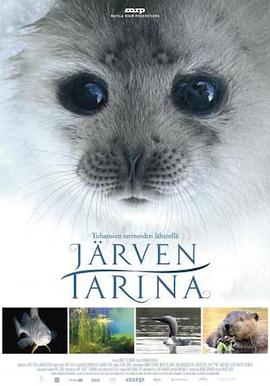
一部关于芬兰湖泊的纪录片, 以及湖泊周边的自然环境,水质状况和古老的芬兰神话。
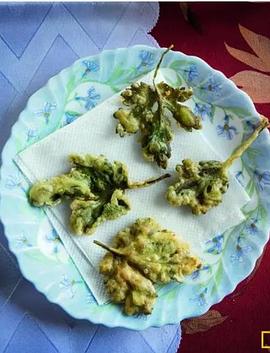
以长江流域为轴,聚焦长江流域特色饮食文化深入四川、宁波、上海等多地。镜头穿梭街巷,聚焦美食佳肴。串联起长江沿线从山区到沿海、从内陆到口岸的饮食风貌,诉说着长江儿女对食材的理解与生活的热爱。
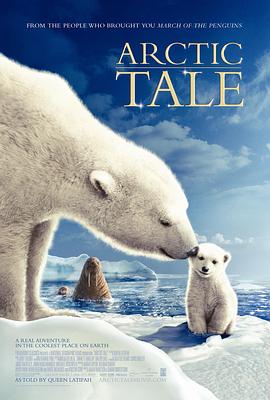
影片展现了在寒冷的北极,冰雪世界中的生命奇迹。 小北极熊Nanu在妈妈的带领下,学习求生的技能,逃避天敌的骚扰,同时也要摸索着应对全新环境的挑战;小海象Seela是族群繁衍中来之不易的结晶,有妈妈和姨妈的双重保护,但是猝不及防的环境变化,让整个海象族群面临巨大的威胁。 北极圈动物的后代和祖辈一样生息繁衍,但是,她们将面临一个截然不同的未来,如果,我们人类再不做点什么的话。
《如果国宝会说话》共100集,分为四季播出,第一季将于2018年1月1日开始在中央电视台纪录频道首播。为拍摄该纪录片,摄制组足迹遍布全国,拍摄了近百家博物馆和考古研究所,50余处考古遗址。纪录片没有渲染猎奇和神秘的曲折表述,也避免了高冷的学术性叙事。在每集5分钟的时间里,文物用通 俗易懂的语言与观众平等对话,“诉说”发生在自己身上的传奇。
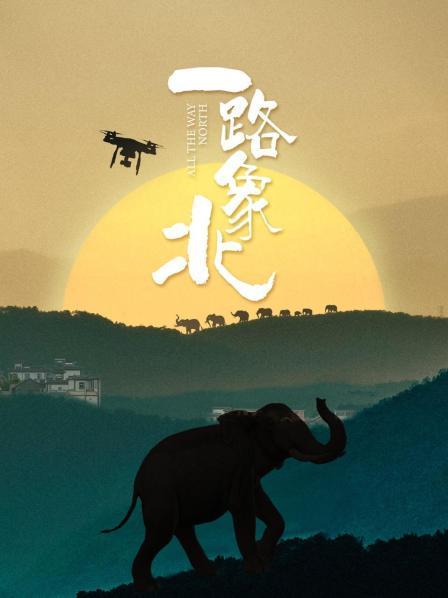
2021年4月发生在中国云南省的一群亚洲象从原栖息地西双版纳傣族自治州向北移动的事件备受关注,政府、民众和学界对亚洲象的保护以及人与动物和谐相处之道的话题也成为国内外广泛关注的热点。节目与云南前线指挥部共同协作,与象群“近距离”接触,观察并还原它们的生活习性,捕捉最可爱、最激烈的瞬间。结合专家分析,深度解析象群北移原因、行为踪迹、生存环境等问题;通过象群之间、人象之间的故事讲述,带领观众走进环境保护、人文关怀等议题。
张爱玲的一生,传奇一生,流言一世。张爱玲是作为中国现代文学史上的一位杰出作家,而不是作为一个怪人、异人而存在的,她洞穿人世沧桑,演绎华丽人生。她是十四岁写《摩登红楼梦》的神童,她曾给老师写打油诗受罚,文凭和知识是她独立自主的力量。
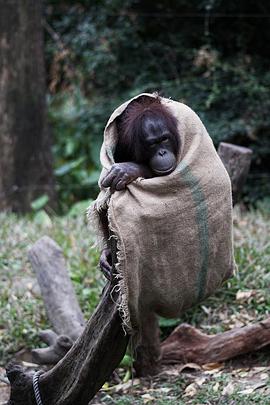
展现动物园中的有趣故事,并进行较深层次的科学分析。通过对动物园幕后生活故事的展现,让更多的人了解动物园展示厅背后动物的生活状态、生存方式。节目组将挑选最精彩有趣的动物故事进行跟拍记录。把观众带进神奇的动物世界,了解动物的生活,感受动物与饲养员之间的微妙关系,唤醒人们的保护意识。
Future of Food In the past year, we have seen food riots on three continents, food inflation has rocketed and experts predict that by 2050, if things don't change, we will see mass starvation across the world. This film sees George Alagiah travel the world in search of solutions to the growing global food crisis. From the two women working to make their Yorkshire market town self-sufficient to the academic who claims it could be better for the environment to ship in lamb from New Zealand, George Alagiah meets the people who believe they know how we should feed the world as demand doubles by the middle of the century. 【India】 George joins a Masai chief among the skeletons of hundreds of cattle he has lost to climate change and the English farmer who tells him why food production in the UK is also hit. He spends a day eating with a family in Cuba to find out how a future oil shock could lead to dramatic adjustments to diets. He visits the breadbasket of India to meet the farmer who now struggles to irrigate his land as water tables drop, and finds out why obesity is spiralling out of control in Mexico. Back in Britain, George investigates what is wrong with people's diets, and discovers that the UK imports an average of 3000 litres of water per capita every day. He talks to top nutritionist Susan Jebb, DEFRA minister Hilary Benn and Nobel laureate Rajendra Pachauri to uncover what the future holds for our food. 【Senegal】 George heads out to India to discover how a changing diet in the developing world is putting pressure on the world's limited food resources. He finds out how using crops to produce fuel is impacting on food supplies across the continents. George then meets a farmer in Kent, who is struggling to sell his fruit at a profit, and a British farmer in Kenya who is shipping out tonnes of vegetables for our supermarket shelves. He also examines why so many people are still dying of hunger after decades of food aid. Back in the UK, George challenges the decision-makers with the facts he has uncovered - from Oxfam head of research Duncan Green to Sainsbury's boss Justin King. He finds out why British beef may offer a model for future meat production and how our appetite for fish is stripping the world's seas bare. 【Cuba】 In the final episode George Alagiah heads out to Havana to find out how they are growing half of their fruit and vegetables right in the heart of the city, investigates the 'land-grabs' trend - where rich countries lease or buy up the land used by poor farmers in Africa - and meets the Indian agriculturalists who have almost trebled their yields over the course of a decade. George finds out how we in this country are using cutting-edge science to extend the seasons recycle our food waste and even grow lettuce in fish tanks to guarantee the food on our plates. He hears the arguments about genetically modified food and examines even more futuristic schemes to get the food on to our plates.